
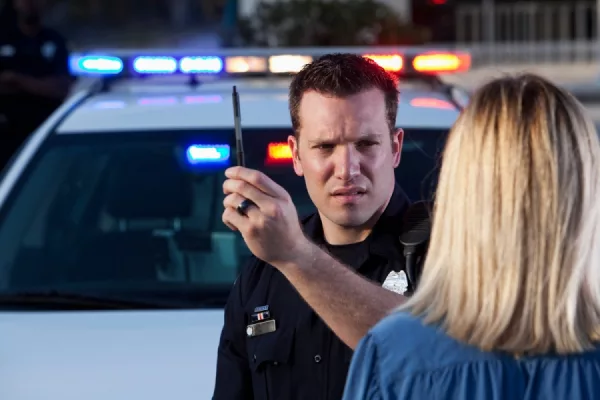
At Seidlich Law Criminal Defense and Family Lawyers, we understand how stressful a DUI arrest can be. Many drunk driving charges in Florida rely on field sobriety tests. These tests are used by law enforcement to decide if a driver is impaired. However, they are not always accurate. Challenging field sobriety tests can make a major difference in protecting your rights and avoiding harsh penalties.
According to the National Highway Traffic Safety Administration, police officers across the country use standardized field sobriety tests in most DUI cases. In Florida alone, over 200,000 DUI arrests occur each year, many based on FST results. We help accused drivers question the reliability of these tests and fight for fair treatment in court.
Field sobriety tests, or FSTs, are physical and mental exercises used during a traffic stop. A police officer uses them to check for signs of impairment from alcohol or drugs. These tests are often used before any breathalyzer or blood alcohol test is performed.
The three standardized field sobriety tests approved by the National Highway Traffic Safety Administration are:
Officers sometimes use non-standard field sobriety tests, like touching your finger to your nose or reciting the alphabet. While meant to assess impairment, these exercises are often subjective and depend on the officer’s judgment.
The main goal of field sobriety tests is to help law enforcement decide if there is probable cause for a DUI arrest. These tests give officers visual and behavioral cues to determine impairment. However, they do not directly measure blood alcohol concentration or blood alcohol content.
Even though FSTs are used to justify arrests, factors like medical conditions, joint pain, prescription medication, or poor weather can affect performance. We often find that these tests lead to unfair conclusions. By challenging them, we work to expose errors and protect our clients’ criminal defense rights.
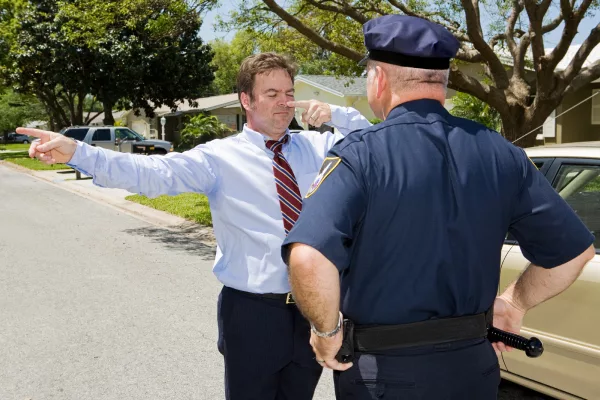
At Seidlich Law Criminal Defense and Family Lawyers, we know that field sobriety tests are not always reliable. Many factors can affect how a person performs during these tests. Health conditions, poor lighting, uneven roads, or even bad weather can impact results. Nervousness or fatigue may also make someone appear impaired when they are not.
Common problems that affect accuracy include:
We often find that these mistakes lead to unfair DUI charges. Our goal as your DUI defense lawyer is to expose these flaws and protect your rights.
Medical conditions often make field sobriety exercises unreliable. People with neurological disorders, balance issues, or injuries may struggle with coordination or focus. Conditions such as vertigo, diabetes, or vision problems can cause poor performance on tests like the horizontal gaze nystagmus test or the one-leg stand.
We carefully review medical documentation to identify legitimate reasons for test failure. If you suffer from any condition that affects manual dexterity or finger-to-nose coordination, we use that evidence to question the test’s credibility. By doing so, we can weaken the prosecution’s claim that your behavior proved impairment.
During a traffic stop, a police officer usually begins FSTs after detecting signs of alcohol or drug use. The officer may ask you to perform tasks such as the walk-and-turn test, the one-leg stand, or reciting the alphabet. They use these observations to decide if there’s probable cause for arrest or to require a breathalyzer test under Florida’s implied consent laws.
The tests are meant to measure coordination, balance, and focus, but mistakes happen. An officer’s failure to follow standardized field sobriety test procedures can make results unreliable. We review every step of the process to find inconsistencies that could help your defense.
Police officers have discretion in deciding when and how to conduct FSTs. Some officers may rush the instructions or skip important parts of the procedure. Others may base their conclusions on assumptions rather than clear evidence.
Our defense lawyers review body camera footage, the police report, and calibration logs to determine whether errors occurred. These inconsistencies can become key pieces of your defense. By identifying mistakes, we can challenge the officer’s credibility and question the entire testing process.

We use proven legal strategies to defend clients against unfair DUI charges. Our firm focuses on uncovering errors in how the tests were conducted and how results were interpreted. Factors such as prescription medication use, environmental conditions, and medical issues can affect test performance.
Common defenses we use include:
Our team fights to prevent license suspension, reduce legal penalties, and avoid jail time.
We closely examine every detail of your case to challenge how the tests were given. Improper horizontal gaze tests or inaccurate breath sample collection can create misleading results. Our legal representation ensures that FST results are reviewed against the proper standards.
We also analyze blood alcohol level reports, breath machine accuracy, and any blood or breath alcohol test records. By exposing procedural flaws, we build a strong defense that protects your future and your rights.
At Seidlich Law Criminal Defense and Family Lawyers, we often rely on expert witnesses to challenge field sobriety test results. These experts help the court understand how factors such as fatigue, illness, and environmental conditions can affect performance. They also review the HGN (horizontal gaze nystagmus) test and other FSTs to determine if they were conducted properly.
Experts may analyze:
Their testimony helps us show that FST results are not always a fair measure of impairment. With their help, we can uncover errors that may lead to wrongful DUI charges.

Having an experienced DUI defense lawyer is critical when challenging FST results. At Seidlich Law Criminal Defense and Family Lawyers, we understand how to analyze police reports, test procedures, and blood sample collection. We also know that officers can make mistakes in determining whether someone exceeded the legal limit after consuming an alcoholic beverage.
Our team reviews every detail of the stop, including:
We fight to reduce legal penalties, prevent license suspension, and avoid added insurance charges that follow a DUI conviction.
A field sobriety test is a series of physical and mental exercises used by police to check for driver impairment after consuming an alcoholic beverage or drugs.
Yes. You may fail due to stress, fatigue, or medical issues, not because of alcohol use. Even sober drivers can struggle with balance or focus during these tests.
Yes. A skilled defense lawyer can challenge how the tests were performed, how evidence was collected, or how officers judged the results.
The three tests approved by the National Highway Traffic Safety Administration are the horizontal gaze nystagmus test, the walk-and-turn test, and the one-leg stand test. These form the basis for many DUI arrests.
Conditions such as vertigo, inner ear problems, or neurological disorders can cause imbalance and poor coordination. These can make an innocent person seem impaired.
Improper instructions or errors in testing can make results invalid. This gives your DUI defense lawyer grounds to challenge the DUI charges and seek a case dismissal.

At Seidlich Law Criminal Defense and Family Lawyers, we know that field sobriety tests are not always accurate. If you face DUI charges, our experienced attorneys can help you challenge unfair results and protect your rights. We review every police report, breath test, and blood sample for errors.
Our legal representation helps reduce penalties and protect your future. Contact us today for a free consultation to discuss your case with a trusted DUI defense lawyer. Early action can make all the difference in achieving the best possible outcome.

